
Bringing home a kitten is an exciting experience, but knowing exactly what—and how much—to feed them can feel overwhelming. Kittens grow rapidly during their first year of life, and their nutritional needs change significantly as they develop.
A good kitten feeding guide should take more than just age into account. Your kitten's weight, growth rate, activity level, health, and the type of food you provide can all influence how much and how often they should eat.
In this guide, we'll cover everything you need to know about kitten feeding by age and weight, including how often kittens should eat, how to create a healthy feeding routine, and how to recognise when your kitten's feeding plan may need adjusting.
*Important: The information in this guide is intended for general education. Every kitten is different. Orphaned, underweight, unwell, or slow-growing kittens may have different nutritional requirements and should be assessed by a veterinarian.
-
Most growing kittens need several small meals throughout the day, with the exact frequency and quantity depending on their age, weight, growth rate, health, and the calorie density of their food. As a general guide, kittens under six months often do well with around three meals daily, while younger kittens may need more frequent feeding. From around six months to one year, many kittens can gradually move towards two meals a day. Always follow the feeding instructions for your kitten's specific food and monitor their growth and body condition.
How Much Should a Kitten Eat?
One of the most common questions new kitten owners ask is: How much should my kitten eat?
Unfortunately, there isn't one universal answer.
The appropriate amount depends on several factors, including:
Your kitten's age
Current body weight
Growth rate
Activity level
Breed and expected adult size
Whether they are still nursing or fully weaned
The type of food being fed
The calorie density of the food
Your kitten's individual health needs
Kittens are growing animals, so they generally need more energy relative to their body size than adult cats. Their food should also provide the nutrients needed to support healthy bone development, muscle growth, brain development, and immune function.
This is why kittens should generally be fed a complete and balanced diet formulated specifically for growth, rather than an adult maintenance diet.
Wet Food, Dry Food or Both?
There are several ways to feed a kitten, and there isn't necessarily one "perfect" method for every cat.
You may choose:
Wet kitten food
Dry kitten food
A combination of wet and dry food
Wet food has a high moisture content, which can contribute to your kitten's overall fluid intake. Dry food is convenient, easy to portion, and can be left out for short periods depending on the product and feeding routine.
If you feed a combination of wet and dry food, remember that the total daily calorie intake from both foods should be considered together.
Always check the feeding recommendations on the food packaging and adjust portions according to your kitten's growth, body condition, and veterinary advice.
Kitten Feeding Guide by Age
A kitten's feeding requirements change considerably during the first year of life. The following is a general kitten feeding guide by age.
Newborn Kittens: 0–4 Weeks
Newborn kittens have very different nutritional needs from older kittens.
Ideally, newborn kittens should receive their mother's milk. If a kitten is orphaned or unable to nurse, a veterinarian may recommend an appropriate commercial kitten milk replacer.
Very young kittens typically need frequent feeding because their stomachs are small and they are unable to consume large meals at once.
Feeding considerations
Feed according to veterinary or milk replacer instructions.
Use an appropriate kitten milk replacer rather than ordinary cow's milk.
Keep the kitten warm.
Monitor weight regularly.
Follow appropriate bottle or syringe-feeding techniques if instructed by a professional.
Feeding a Kitten With a Syringe
In certain situations, a veterinarian or experienced caregiver may recommend syringe feeding for a kitten that cannot nurse or drink from a bottle.
Syringe feeding should be approached carefully. A kitten that is fed too quickly or positioned incorrectly may inhale milk into the lungs, which can lead to serious complications.
If syringe feeding is necessary:
Use the correct milk replacer.
Follow veterinary instructions.
Keep the kitten in a natural, belly-down position.
Never force liquid into the kitten's mouth.
Allow the kitten to swallow at their own pace.
Stop immediately if the kitten coughs, struggles, or has difficulty breathing.
For very young or medically fragile kittens, professional guidance is strongly recommended.
4–8 Weeks: The Weaning Stage
Around this stage, kittens gradually transition from milk to solid food.
This is an important developmental period because your kitten is learning how to eat independently.
You can gradually introduce:
Wet kitten food
Softened kitten food
Dry kitten food softened with warm water, if appropriate
The transition should be gradual rather than sudden.
During weaning, kittens may still require milk from their mother depending on their age and development. If the kitten is orphaned, follow your veterinarian's advice regarding milk replacer and weaning.
This is also a good time to establish positive mealtime habits and introduce your kitten to appropriate feeding equipment.
Choosing Kitten Feeding Bowls
When selecting kitten feeding bowls, look for bowls that are:
Easy to clean
Stable and difficult to tip over
Made from food-safe materials
Appropriately sized for a kitten
Wide enough to avoid unnecessary contact with the whiskers
Stainless steel or ceramic bowls are popular choices because they are durable and easy to clean.
Some kittens may prefer shallow dishes that allow them to access their food more comfortably.
Providing fresh water in a separate, clean bowl is also important.
2–3 Months: Growing Rapidly
By around 2–3 months, most kittens are fully or almost fully weaned and should be eating a complete kitten diet.
Because kittens are still growing rapidly, they generally benefit from multiple meals throughout the day rather than relying on only one or two large meals.
A typical routine may involve three to four meals per day, depending on the kitten's individual needs and the feeding recommendations for their food.
At this age, monitor:
Appetite
Weight gain
Stool quality
Energy levels
Body condition
Regularly weighing your kitten can help you identify whether they are growing appropriately.
4–6 Months: Continued Growth
Kittens between 4 and 6 months are still undergoing significant growth.
Their energy requirements remain relatively high, although their feeding routine may gradually become more structured.
This is the stage where many owners start asking:
How much should a 4-month-old kitten eat?
How often should a 5-month-old kitten eat?
Is my 6-month-old kitten eating too much?
Should I reduce the number of meals?
The answers depend on the individual kitten and the food being fed.
A kitten's feeding quantity should be adjusted based on their body weight, growth, activity level, and body condition rather than simply their age.
For more detailed guidance, see our Kitten Feeding Schedule by Age.
6–12 Months: Preparing for Adulthood
At 6 months and beyond, your kitten is becoming more independent, but they are not necessarily finished growing.
Some cats reach physical maturity earlier than others, while larger breeds may continue developing for longer.
Continue feeding a complete diet formulated for growth until your veterinarian recommends transitioning to an adult diet.
This is also a good time to establish a sustainable long-term feeding routine.
Kitten Feeding Guide by Weight
Your kitten's weight is an important factor when determining how much food they need.
However, weight alone should not be used to calculate a feeding quantity.
Two kittens weighing the same amount may have different calorie requirements depending on:
Age
Activity level
Growth rate
Breed
Health status
Neutering status
Food calorie density
For this reason, the best starting point is usually the feeding guide provided by the food manufacturer.
How to Use the Feeding Guide on Your Kitten's Food
Start by checking the recommended daily amount on the packaging.
Then consider:
Your kitten's current weight.
Their age and growth stage.
The number of meals you plan to provide.
Whether you are feeding wet food, dry food, or both.
Your kitten's body condition and growth.
If you feed multiple types of food, avoid simply giving the full recommended daily amount of each food. Instead, calculate the combined daily intake.
For example, if your kitten receives both wet and dry food, the wet food and dry food portions should be considered as part of the same daily feeding plan.
Kitten Feeding Frequency: How Often Should Kittens Eat?
Kittens have smaller stomachs and high energy requirements, so they generally need to eat more frequently than adult cats.
A general guideline is:
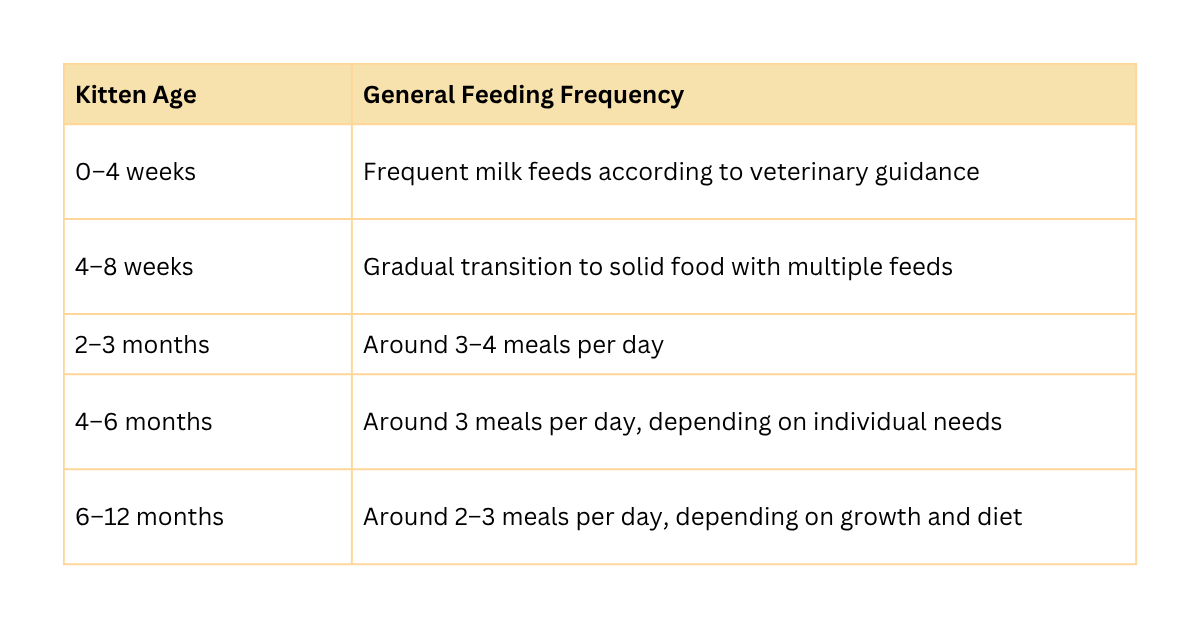
These are general guidelines rather than strict rules.
Some kittens may need more frequent meals, particularly if they are very young, small, underweight, or have specific health needs.
As kittens grow, their stomach capacity increases and their feeding frequency can gradually decrease.
For a detailed age-by-age schedule, see our Kitten Feeding Schedule by Age guide.
How to Create a Kitten Feeding Plan
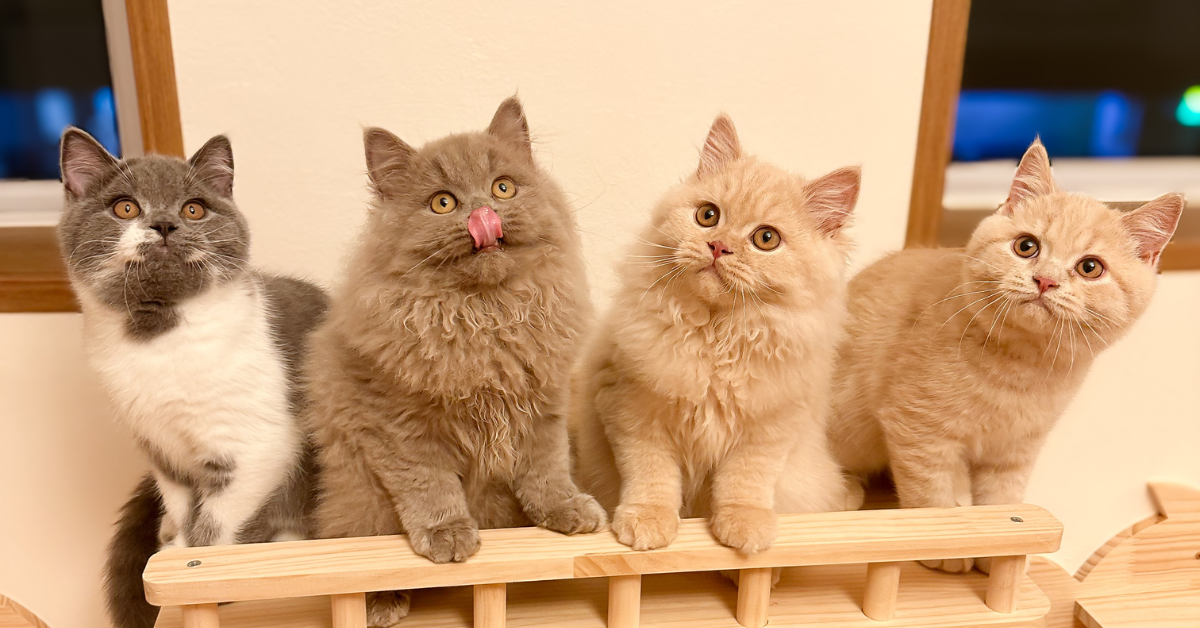
A consistent kitten feeding plan can make it easier to monitor your kitten's appetite, weight, and overall health.
Start by deciding:
1. How Many Meals Per Day?
Choose a feeding frequency appropriate for your kitten's age and individual needs.
2. How Much Food Per Meal?
Divide the recommended daily quantity into the number of meals you provide.
3. What Type of Food?
Decide whether you will feed:
Wet food
Dry food
A combination
4. When Will Meals Be Served?
Try to establish relatively consistent meal times.
5. How Will You Monitor Progress?
Track your kitten's:
Weight
Appetite
Energy
Body condition
Stool
This information can help you identify changes early.
Kitten Feeding Routine: What Does a Good Day Look Like?
A consistent kitten feeding routine can help your kitten know when to expect meals.
Here's an example of what a routine might look like for a growing kitten:
Morning
Breakfast with fresh water.
Midday
A second meal or portion of the daily food allowance.
Afternoon or Early Evening
Another meal if your kitten is on a three- or four-meal schedule.
Evening
Final meal of the day.
The exact timing isn't as important as ensuring that your kitten receives an appropriate total daily amount divided into suitable meals.
If your kitten constantly seems hungry, gains weight rapidly, loses weight, or shows a sudden change in appetite, review their feeding plan with your veterinarian.
Kitten Age and Feeding Chart
The following chart provides a general overview of how feeding needs change as kittens grow.
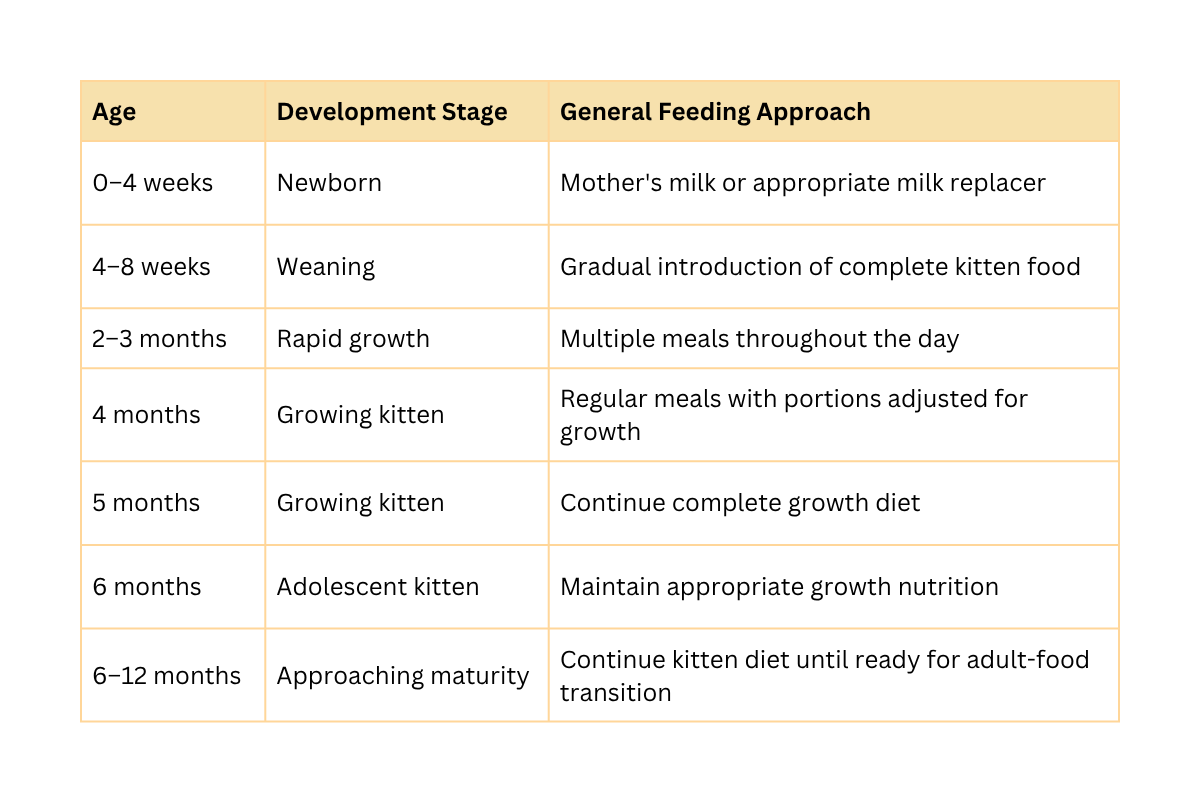
Remember that age is only one part of the picture. Your kitten's individual growth pattern and health should always be considered.
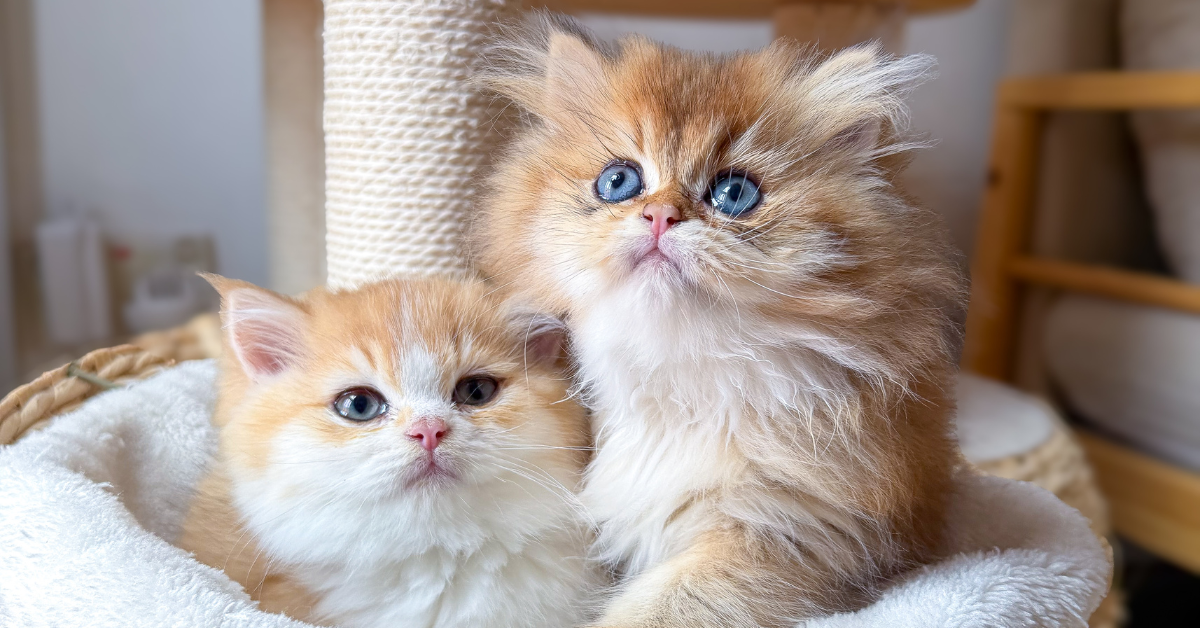
7 Kitten Feeding Instructions Every New Kitten Owner Should Know
1. Feed a Complete Kitten Diet
Choose food that is formulated to meet the nutritional requirements of growing kittens.
2. Don't Guess Portions
Use the food manufacturer's feeding recommendations as a starting point and adjust with professional guidance if necessary.
3. Divide Food Into Appropriate Meals
Young kittens generally do better with smaller, more frequent meals.
4. Monitor Your Kitten's Weight
Regular weigh-ins can help you identify whether your kitten is growing appropriately.
5. Always Provide Fresh Water
Clean, fresh drinking water should be available.
6. Keep Feeding Equipment Clean
Wash food and water bowls regularly to maintain good hygiene.
7. Watch for Changes in Appetite
A sudden increase or decrease in appetite can sometimes indicate an underlying issue.
If your kitten refuses food, is losing weight, appears lethargic, vomits repeatedly, develops persistent diarrhoea, or otherwise seems unwell, contact your veterinarian promptly.
How to Know If Your Kitten's Feeding Plan Is Working
A healthy feeding plan should support steady growth and good overall wellbeing.
Signs that your kitten's nutrition is generally on the right track may include:
Consistent growth
Healthy body condition
Good energy levels
Normal stool
Healthy skin and coat
Regular appetite
Normal playful behaviour
However, individual kittens develop at different rates.
Rather than focusing solely on the number on the scale, look at the bigger picture.
Your veterinarian can assess your kitten's body condition and growth trajectory and advise whether their feeding quantity should be adjusted.
When Should You Speak to a Veterinarian About Your Kitten's Feeding?
It's a good idea to seek veterinary advice if your kitten:
Refuses food
Suddenly loses their appetite
Is not gaining weight appropriately
Loses weight unexpectedly
Has persistent vomiting
Has persistent diarrhoea
Appears unusually tired or weak
Has difficulty eating or swallowing
Is significantly underweight or overweight
Very young kittens can become unwell quickly, so changes in eating behaviour should not be ignored.
If you're unsure whether your kitten is eating too much or too little, your veterinarian can help create a feeding plan based on your kitten's age, weight, health, and individual nutritional requirements.
Final Thoughts: Building Healthy Feeding Habits From the Start

The best kitten feeding guide is one that evolves as your kitten grows.
From the first weeks of milk feeding to weaning, rapid growth, and eventually the transition into adulthood, your kitten's nutritional needs will change over time.
The key is to focus on the fundamentals:
Feed a complete diet appropriate for growth.
Adjust food quantities as your kitten grows.
Provide meals at an appropriate frequency.
Monitor weight and body condition.
Keep feeding bowls and equipment clean.
Provide fresh water.
Pay attention to changes in appetite or behaviour.
Seek professional advice when you're concerned.
By establishing a consistent kitten feeding routine and monitoring your kitten's development, you can give them a strong nutritional foundation for a healthy life.
For more guidance, explore our other resources on kitten feeding schedules by age, how much food kittens should eat based on weight, whether kittens can safely go overnight without eating and how to tell if your kitten is overfed.
FAQ
-
The amount a kitten should eat each day depends on their age, weight, activity level, growth rate, health, and the calorie density of their food.
The best starting point is to follow the feeding guide on a complete kitten food and adjust the amount based on your kitten's growth and body condition. If you feed both wet and dry food, count both towards the total daily intake.
Because kittens are growing rapidly, their nutritional needs are different from those of adult cats. Your veterinarian can help determine whether your kitten is receiving an appropriate amount.
-
Young kittens generally benefit from several smaller meals throughout the day because they have small stomachs and high energy requirements.
As a general guide, kittens under six months often do well with around three meals per day, although younger kittens may need more frequent feeding. From around six months to one year, many kittens can transition towards two meals per day, depending on their individual needs.
-
Yes. Many kittens can be fed a combination of wet and dry food, provided the foods are nutritionally appropriate and the total daily amount is controlled.
When combining foods, don't feed the full recommended daily portion of each. Instead, adjust the quantities so the combined intake meets your kitten's needs.
Wet food can also contribute to overall water intake, while dry food can be convenient for measured feeding.
-
Not necessarily.
Some cats can manage free access to dry food without overeating, but others may consume too much and gain excessive weight. Measured meals can make it easier to monitor exactly how much your kitten is eating.
For growing kittens, establishing regular feeding times can also help owners monitor appetite and identify sudden changes in eating behaviour.
-
Look for a complete and balanced food formulated for growth or kittens.
Kittens have different nutritional requirements from adult cats, including specific needs during their rapid growth and development. Check the nutritional adequacy statement on the food packaging and choose a product appropriate for your kitten's life stage.
If you're unsure which food is suitable, ask your veterinarian for advice.
-
Many kittens remain on a growth-formulated diet until around 12 months of age, although the exact timing can vary.
Some larger breeds may mature more slowly, while individual cats may have different nutritional needs. Your veterinarian can advise when your kitten is ready to transition to an adult diet.
When changing food, transition gradually rather than switching suddenly
-
Look at more than just the amount of food in the bowl.
Signs that your kitten may be receiving adequate nutrition include:
Steady growth
Healthy body condition
Good energy levels
Normal development
Healthy coat and skin
Regular appetite
Regular weight monitoring can help identify trends, but your veterinarian should assess kittens who are not gaining weight appropriately or who are losing weight unexpectedly.
-
Rapid weight gain, excessive body fat, or a loss of a visible waist may indicate that your kitten is receiving more calories than they need.
However, kittens naturally grow quickly, so a single increase on the scale does not necessarily mean they are overweight.
Monitor your kitten's growth trajectory and body condition rather than focusing only on their weight. Your veterinarian can help assess whether your kitten's body condition is appropriate.
-
Yes. Regular weighing can be a useful way to monitor your kitten's growth, especially during the early months.
Try to weigh your kitten under similar conditions each time and record the results. Looking at the overall trend is more useful than focusing on one measurement.
If your kitten stops gaining weight, loses weight, or shows other signs of illness, contact your veterinarian.
-
A kitten refusing food should be taken seriously, particularly if they are very young.
Check whether there have been any recent changes to their food, environment, feeding location, or routine. However, don't assume that a lack of appetite is simply fussiness.
If your kitten is refusing food, losing weight, vomiting, experiencing diarrhoea, appearing lethargic, or showing other signs of illness, contact your veterinarian promptly.
Cats that stop eating can develop serious health problems, so prolonged loss of appetite should not be ignored.
-
Cow's milk is generally not recommended as a substitute for a kitten's mother's milk or a proper kitten milk replacer.
If a very young kitten cannot nurse, use a commercially formulated kitten milk replacer under appropriate guidance. For older, weaned kittens, fresh drinking water should be readily available.
-
Treats can be given occasionally, but they should not replace a nutritionally complete kitten diet.
Treats should make up only a small proportion of your kitten's overall calorie intake. For growing kittens, prioritise complete nutrition first and use treats sparingly.
-
Choose a bowl that is:
Stable
Easy to clean
Made from a food-safe material
Appropriately sized
Comfortable for your kitten to eat from
Stainless steel and ceramic are popular choices.
Some cats prefer wider, shallower dishes. If your kitten seems uncomfortable while eating, consider trying a different bowl shape.
-
Food bowls should be cleaned regularly to maintain good hygiene, particularly when feeding wet food.
Wash the bowl after meals where practical, and avoid allowing old wet food to sit out for extended periods.
Water bowls should also be cleaned and refilled with fresh water regularly.
-
Yes, but food changes should generally be made gradually.
Suddenly switching foods can cause digestive upset in some kittens. A gradual transition allows your kitten to adjust to the new food while giving you an opportunity to monitor their appetite and stool.
If your kitten has a sensitive stomach or a medical condition, ask your veterinarian for specific transition advice
-
Your kitten's water needs vary depending on their size, diet, activity level, and environment.
Kittens eating wet food may obtain a significant amount of their water from their meals, while kittens eating mostly dry food may need to drink more directly.
Always provide access to clean, fresh drinking water.
-
Kittens should generally be fed a diet formulated for growth or all life stages rather than an adult maintenance diet.
Growing kittens have different nutritional requirements and higher energy needs than adult cats. Feeding an appropriate growth diet helps support healthy development.
Your veterinarian can advise when your individual kitten is ready to transition to adult food.
-
Homemade diets can be difficult to formulate correctly because kittens need precise amounts and ratios of essential nutrients during growth.
Unless a veterinarian or qualified veterinary nutritionist has formulated the recipe, a complete commercial kitten diet is generally a safer option for meeting nutritional requirements.
If you want to feed a homemade diet, discuss it with your veterinarian first.
-
Raw feeding is a complex topic, particularly for growing kittens.
A raw diet that is not properly formulated may fail to provide the correct balance of nutrients, while raw animal products can carry foodborne pathogens.
If you're considering a raw diet for your kitten, discuss the risks and nutritional requirements with your veterinarian or a qualified veterinary nutrition professional before making the switch.
-
The best feeding schedule depends on your kitten's age and individual needs.
As a broad starting point:
Very young kittens: frequent feeding under appropriate guidance
Weaning kittens: multiple small meals
2–6 months: generally three or more meals depending on age and individual needs
6–12 months: often two to three meals
The exact schedule should be adjusted according to your kitten's growth, body condition, food, and veterinary advice.
-
A consistent feeding routine can be helpful.
Regular meal times make it easier to monitor how much your kitten eats and identify changes in appetite. However, the exact timing is less important than ensuring that your kitten receives appropriate nutrition throughout the day.
Choose a schedule that works for both you and your kitten and try to keep it reasonably consistent.
-
Some kittens naturally have bigger appetites than others, but constant hunger can have several possible explanations.
Your kitten may need a larger portion because they're growing rapidly, or their food may not be sufficiently calorie-dense. Alternatively, persistent hunger may be related to an underlying health issue.
Before increasing food significantly, check your kitten's weight, body condition, and current food intake. If your kitten is constantly hungry but losing weight, has digestive problems, or shows other unusual symptoms, consult your veterinarian.
-
There isn't one universally recognised "hardest" kitten age.
Many owners find the period between roughly 8 weeks and 6 months particularly demanding because kittens are highly active, curious, and still learning appropriate behaviours.
During this period, kittens need:
Consistent feeding
Socialisation
Play
Safe exploration
Litter training
Scratching outlets
Veterinary care
As kittens mature, their behaviour and routines often become easier to manage, although every cat develops differently.
-
A healthy kitten generally has:
Good energy
A healthy appetite
Steady growth
Bright, alert behaviour
Healthy skin and coat
Normal stool
Clean eyes and nose
Appropriate body condition
Regular veterinary examinations are important because kittens can sometimes appear healthy while developing problems that are not obvious to owners.

